
Category: Product

  • Commercial Sink Features That Make Cleaning Easier

    Commercial Sink Features That Make Cleaning Easier

    Commercial sinks play a crucial role in maintaining hygiene and efficiency in busy kitchens, restaurants, and other food service establishments. Selecting the right sink with features designed to simplify cleaning can significantly improve workflow and sanitation standards. One of the primary attributes that make commercial sinks easier to clean is their construction material. Stainless steel is the most common choice due to its durability, resistance to corrosion, and smooth surface that prevents bacteria buildup. The non-porous nature of stainless steel allows for quick wiping and disinfecting without harboring germs or stains.

    Another important feature is the sink’s design, particularly its corners and edges. Rounded corners are preferable over sharp angles because they eliminate hard-to-reach spots where dirt and grime typically accumulate. This design facilitates thorough scrubbing with minimal effort, ensuring all areas can be cleaned effectively without requiring specialized tools or excessive time.

    The size and depth of a Commercial Sink also impact cleaning ease. A deep basin accommodates large pots, pans, and trays comfortably while preventing splashing water from spreading contaminants onto surrounding surfaces. Additionally, larger basins reduce the need for multiple wash cycles by allowing more items to be cleaned simultaneously.

    Drain placement plays a subtle but significant role in maintenance as well. Sinks equipped with bottom-centered drains promote efficient water flow toward the outlet, minimizing standing water that can cause unpleasant odors or bacterial growth. Some models include removable strainers or baskets at the drain to catch debris such as food particles or grease clumps before they enter plumbing systems, reducing blockages and simplifying daily cleanup routines.

    Faucet type matters when it comes to ease of use during washing tasks. Commercial sinks often feature pre-rinse sprayers with high-pressure nozzles that help dislodge stuck-on residue quickly without manual scrubbing effort. These sprayers save time by reaching into corners of dishes or equipment where traditional faucets might not provide sufficient coverage.

    Additional accessories like integrated soap dispensers streamline workflows by keeping necessary cleaning agents within arm’s reach while avoiding clutter around the sink area. Some designs incorporate splash guards along edges; these prevent water from spilling onto floors or countertops which could otherwise create hazards or extra cleaning work.

    In summary, choosing a commercial sink equipped with durable materials such as stainless steel combined with rounded corners enhances hygienic maintenance significantly. Deep basins paired with strategically placed drains ensure efficient drainage while accommodating various kitchenware sizes easily. Features like high-pressure sprayers speed up washing processes whereas built-in soap dispensers contribute to organized cleanliness management overall-making these elements essential considerations for any professional setting aiming for effective sanitation practices through smarter sink design choices.
  • Mini Split AC Installation Mistakes to Avoid

    Mini Split AC Installation Mistakes to Avoid

    Installing a mini split air conditioning system can greatly improve the comfort of your home or office, but it requires careful planning and execution to avoid common mistakes that could compromise efficiency and longevity. One of the most frequent errors is improper sizing of the unit. Choosing a system that is too large or too small for the space can lead to inadequate cooling, higher energy bills, and unnecessary wear on the equipment. It’s essential to conduct an accurate load calculation based on room size, insulation quality, window placement, and climate conditions before purchasing a mini split AC.

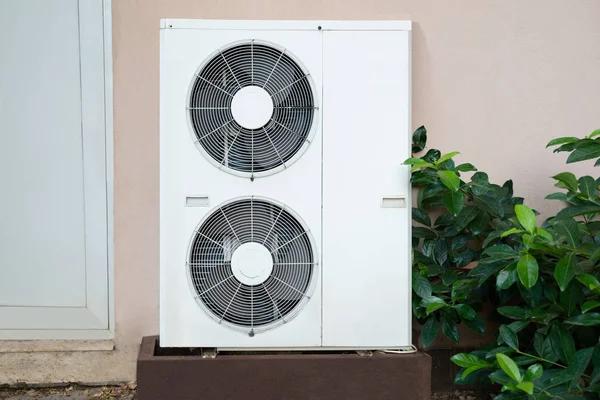
    Another critical mistake involves poor placement of both indoor and outdoor units. The indoor unit should be installed in a location where airflow is not obstructed by furniture or walls to ensure even distribution of cool air throughout the room. Placing it too close to heat sources like windows receiving direct sunlight or kitchen appliances can reduce its effectiveness. Similarly, the outdoor condenser must have sufficient clearance around it for proper ventilation; cramped spaces restrict airflow and cause overheating, which shortens compressor life.

    Incorrect refrigerant line installation is another area where many installers falter. The copper tubing connecting indoor and outdoor units must be carefully measured and routed without sharp bends or kinks that impede refrigerant flow. Proper insulation around these lines prevents energy loss and condensation issues inside walls or ceilings. Additionally, failing to evacuate air from refrigerant lines before charging them with refrigerant leads to moisture contamination within the system, causing corrosion over time.

    Electrical wiring errors are also common during mini split installations. Using improper wire gauges or neglecting grounding requirements poses safety hazards such as electrical shorts or fires while potentially voiding manufacturer warranties. Ensuring all connections comply with local electrical codes guarantees safe operation.

    Neglecting regular maintenance access during installation creates difficulties down the road when cleaning filters or servicing components become necessary tasks requiring removal of parts or additional labor costs. Planning for easy access improves long-term usability.

    Finally, some installers overlook manufacturer instructions entirely in favor of shortcuts that save time initially but result in performance problems later on. Following detailed guidelines ensures each step-from mounting brackets securely to vacuum testing-is completed correctly for optimal function.

    Avoiding these mistakes by investing adequate effort into planning and professional installation will maximize your Mini Split AC‘s efficiency, durability, and comfort benefits over its lifespan without unexpected repairs or inefficiencies arising prematurely from avoidable errors made at installation time.

  • Why a Premier HVAC Service Provider makes a big difference

    Why a Premier HVAC Service Provider makes a big difference

    Choosing the right HVAC service provider is crucial for maintaining comfort, efficiency, and safety in any home or business. A premier HVAC company brings expertise, reliability, and quality that significantly impact the overall experience and performance of heating, ventilation, and air conditioning systems. When a trusted provider handles installation, maintenance, or repairs, customers benefit from professional knowledge that ensures systems operate at their best. This level of care reduces energy consumption and prolongs equipment lifespan.

    One major advantage of working with a top-tier HVAC service provider is their ability to accurately diagnose problems. Advanced training and access to modern diagnostic tools allow technicians to pinpoint issues quickly without unnecessary guesswork. This precision leads to faster repairs and prevents minor problems from escalating into costly breakdowns. Additionally, experienced professionals can recommend appropriate solutions tailored to specific needs rather than offering generic fixes that may not address underlying concerns.

    Quality workmanship also plays an essential role in system performance. Premier providers adhere to industry standards and use high-grade parts during installations or replacements. Proper installation ensures optimal airflow distribution and temperature regulation throughout a building while minimizing noise levels. Attention to detail during servicing helps maintain system integrity by preventing leaks or blockages that could compromise indoor Service Pro Air Conditioning & Heating quality.

    Customer satisfaction is another significant factor distinguishing leading HVAC companies from less reputable ones. Transparent communication about pricing options fosters trust between clients and technicians before work begins. Reliable providers honor commitments regarding appointment times so customers are not left waiting unnecessarily. They often offer warranties on both labor and parts as a guarantee of confidence in their services.

    Energy efficiency has become increasingly important due to rising utility costs worldwide. Skilled HVAC specialists stay informed about the latest technologies designed for better energy management such as programmable thermostats or variable-speed compressors. By recommending upgrades aligned with current environmental standards, they help reduce carbon footprints while saving money over time.

    Safety considerations cannot be overlooked when dealing with heating systems fueled by gas or electricity since improper handling risks fire hazards or exposure to harmful gases like carbon monoxide. Licensed professionals understand these dangers thoroughly; they follow strict protocols ensuring all components meet regulatory requirements before deeming a system safe for operation.

    In summary, selecting a premier HVAC service provider makes a substantial difference through expert problem-solving abilities, superior craftsmanship, dependable customer support, enhanced energy efficiency measures, and rigorous safety practices-all contributing toward comfortable living environments maintained efficiently year-round without unexpected disruptions or expenses down the line.