Tag: Mini Split AC

  • Mini Split AC Installation Mistakes to Avoid

    Mini Split AC Installation Mistakes to Avoid

    Installing a mini split air conditioning system can greatly improve the comfort of your home or office, but it requires careful planning and execution to avoid common mistakes that could compromise efficiency and longevity. One of the most frequent errors is improper sizing of the unit. Choosing a system that is too large or too small for the space can lead to inadequate cooling, higher energy bills, and unnecessary wear on the equipment. It’s essential to conduct an accurate load calculation based on room size, insulation quality, window placement, and climate conditions before purchasing a mini split AC.

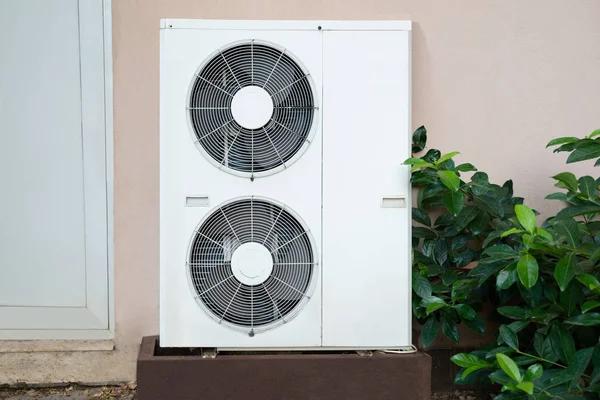
    Another critical mistake involves poor placement of both indoor and outdoor units. The indoor unit should be installed in a location where airflow is not obstructed by furniture or walls to ensure even distribution of cool air throughout the room. Placing it too close to heat sources like windows receiving direct sunlight or kitchen appliances can reduce its effectiveness. Similarly, the outdoor condenser must have sufficient clearance around it for proper ventilation; cramped spaces restrict airflow and cause overheating, which shortens compressor life.

    Incorrect refrigerant line installation is another area where many installers falter. The copper tubing connecting indoor and outdoor units must be carefully measured and routed without sharp bends or kinks that impede refrigerant flow. Proper insulation around these lines prevents energy loss and condensation issues inside walls or ceilings. Additionally, failing to evacuate air from refrigerant lines before charging them with refrigerant leads to moisture contamination within the system, causing corrosion over time.

    Electrical wiring errors are also common during mini split installations. Using improper wire gauges or neglecting grounding requirements poses safety hazards such as electrical shorts or fires while potentially voiding manufacturer warranties. Ensuring all connections comply with local electrical codes guarantees safe operation.

    Neglecting regular maintenance access during installation creates difficulties down the road when cleaning filters or servicing components become necessary tasks requiring removal of parts or additional labor costs. Planning for easy access improves long-term usability.

    Finally, some installers overlook manufacturer instructions entirely in favor of shortcuts that save time initially but result in performance problems later on. Following detailed guidelines ensures each step-from mounting brackets securely to vacuum testing-is completed correctly for optimal function.

    Avoiding these mistakes by investing adequate effort into planning and professional installation will maximize your Mini Split AC‘s efficiency, durability, and comfort benefits over its lifespan without unexpected repairs or inefficiencies arising prematurely from avoidable errors made at installation time.

  • The Ultimate Home Comfort Guide to Mini Split AC Systems

    The Ultimate Home Comfort Guide to Mini Split AC Systems

    Mini split air conditioning systems have become increasingly popular for homeowners seeking efficient and flexible climate control solutions. These systems offer an excellent alternative to traditional central air conditioning, especially in homes without existing ductwork or where adding ducts would be costly and disruptive. A mini split system consists of two main components: an outdoor compressor unit and one or more indoor air-handling units mounted on walls or ceilings. This design allows for precise temperature control in individual rooms, making it ideal for personalized comfort.

    One of the primary advantages of mini splits is their energy efficiency. Because they do not rely on extensive ductwork, which can lose a significant amount of cooled air through leaks or poor insulation, mini splits deliver conditioned air directly to the living space. This direct delivery reduces wasted energy and often results in lower utility bills compared to conventional HVAC systems. Additionally, many models use inverter technology that adjusts compressor speed based on cooling demand rather than cycling on and off repeatedly, further enhancing efficiency.

    Installation flexibility is another key benefit. Mini splits require only a small hole through an exterior wall to connect the indoor unit with the outdoor compressor via refrigerant lines and electrical wiring. This minimal intrusion means installation can typically be completed quickly with less mess than installing ducts throughout a home. The ability to install multiple indoor units connected to a single outdoor compressor also enables zoning; each room can be controlled independently, catering to different preferences without wasting energy cooling unoccupied spaces.

    Maintenance requirements for Mini Split AC systems are generally straightforward as well. Regular cleaning of filters ensures optimal airflow and performance while periodic professional servicing helps maintain refrigerant levels and overall system health. Unlike traditional central AC systems that may need duct cleaning or repairs over time, mini splits avoid these issues altogether by eliminating ducts from the equation.

    In terms of aesthetics, modern mini split units come in sleek designs that blend seamlessly into various interior styles without dominating wall space or requiring bulky equipment inside rooms. Many models also include features such as quiet operation modes, programmable timers, remote controls, and smart connectivity options compatible with home automation platforms.

    Choosing a mini split system involves considering factors like room size, insulation quality, climate zone, and desired features to ensure proper sizing and optimal performance. Consulting with HVAC professionals can help determine the best configuration tailored to specific needs while maximizing comfort year-round.

    Overall, mini split AC systems provide an effective solution for homeowners seeking customizable cooling options combined with energy savings and ease of installation-making them an ultimate choice for enhancing home comfort efficiently and reliably throughout all seasons.